_(6509034641).jpg?width=480)
בֵּית הַשְּׁלָחִין beis-hashelachin מלאכה · סוג שדה טיוטה
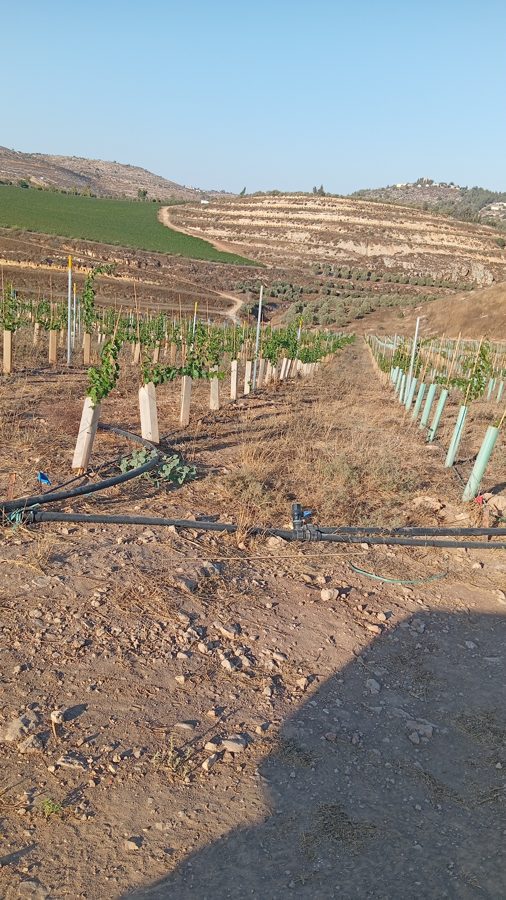
An irrigated field — too thirsty to live on rain, watered by hand and channel from springs and cisterns through the dry summer.
A beis hashelachin is a field that cannot live on rainfall and is watered artificially — by channels, cisterns, and hand-carrying. Its opposite is the beis habaal (or sdeh baal), the rain-fed field. Because an irrigated field dies quickly without its water, Chazal treated its needs more leniently in Sheviis and on Chol HaMoed.
נזכר במשניות: שביעית ב׳:ב׳ · שביעית ב׳:ט׳–ב׳:י׳ · מועד קטן א׳:א׳
עברית · in Hebrew
שדה מושקה — צמא מכדי להסתפק בגשם, ומשקים אותו ביד ובאמת מים ממעיינות ובורות לאורך הקיץ היבש.
בית השלחין הוא שדה שאינו יכול להתקיים על מי גשמים, ומשקים אותו בידי אדם — באמות מים, בבורות ובנשיאה ביד. שכנגדו הוא בית הבעל (שדה בעל), הניזון מן הגשם. ומאחר ששדה מושקה כלה במהרה בלא מימיו, הקלו חכמים בצרכיו בשביעית ובחול המועד.
Comes up in: Sheviis 2:2 — watering during tosefes sheviis · Sheviis 2:9–2:10 — the shelachin/baal line drawn explicitly (census: transcripts discuss at length) · Moed Katan 1:1 — the classic permit to water a beis hashelachin on the Moed (future corpus contact)
מילונים · Trace it: Jastrow s.v. שֶׁלַח III — pl. shelachin, "arms, ditches for irrigation"; beis hashelachin = "a field which needs irrigation," opp. beis habaal (Moed Katan 1:1). The Gemara (Moed Katan 2a) hears in it the language of thirst (meshalhei = exhausted/parched).
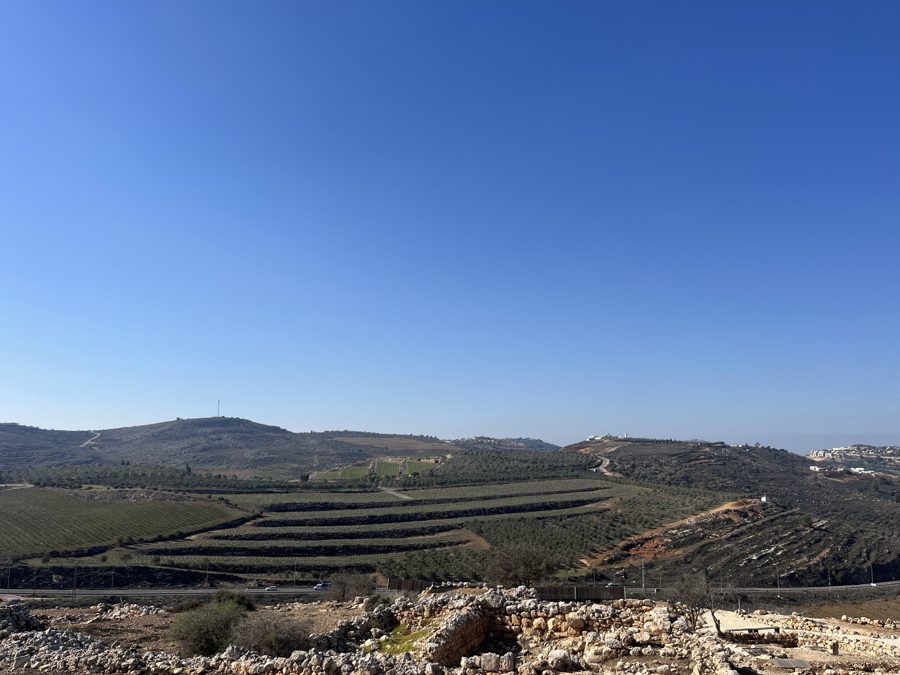
זיהוי · Identification: Ze'ev Safrai (rural economy of Roman Palestine) treats irrigated plots as the intensive, high-value fraction of the country's farmland — mostly vegetables and orchard-adjacent crops — against a dry-farmed grain majority; the halachic leniencies track that economic reality. Terraced, spring-fed irrigation systems of exactly this type survive around Yerushalayim (e.g. Sataf) and in the Judean hills. (Cite-check the Safrai chapter at apply time.)





.jpg?width=480)
.jpg?width=480)