מילון הריאליה

מילון הריאליה — טיוטה. 17 ערכים: כלים, צמחים, מידות ומלאכות מעולמה של המשנה. כל ערך נושא גלוסה קצרה ותיאור בעברית, המשניות שבהן הוא נזכר, ותמונה. הכול טיוטה, ואף ערך לא אושר. המקורות והזיהוי (פליקס, עמר, ספראי, יסטרוב) כתובים באנגלית — לחיצה על ״באנגלית״ שבתחתית כל ערך תפתח אותם.
התמונות המסומנות ״CONFIRM״ עדיין ממתינות לבירור רישיון.
בֵּית הַשְּׁלָחִין
רישיון: טעון בירור · per file page

בֵּית הַשְּׁלָחִין beis-hashelachin מלאכה · סוג שדה טיוטה

שדה מושקה — צמא מכדי להסתפק בגשם, ומשקים אותו ביד ובאמת מים ממעיינות ובורות לאורך הקיץ היבש.

בית השלחין הוא שדה שאינו יכול להתקיים על מי גשמים, ומשקים אותו בידי אדם — באמות מים, בבורות ובנשיאה ביד. שכנגדו הוא בית הבעל (שדה בעל), הניזון מן הגשם. ומאחר ששדה מושקה כלה במהרה בלא מימיו, הקלו חכמים בצרכיו בשביעית ובחול המועד.

נזכר במשניות: שביעית ב׳:ב׳ · שביעית ב׳:ט׳–ב׳:י׳ · מועד קטן א׳:א׳

באנגלית · in English

An irrigated field — too thirsty to live on rain, watered by hand and channel from springs and cisterns through the dry summer.

A beis hashelachin is a field that cannot live on rainfall and is watered artificially — by channels, cisterns, and hand-carrying. Its opposite is the beis habaal (or sdeh baal), the rain-fed field. Because an irrigated field dies quickly without its water, Chazal treated its needs more leniently in Sheviis and on Chol HaMoed.

Comes up in: Sheviis 2:2 — watering during tosefes sheviis · Sheviis 2:9–2:10 — the shelachin/baal line drawn explicitly (census: transcripts discuss at length) · Moed Katan 1:1 — the classic permit to water a beis hashelachin on the Moed (future corpus contact)

מילונים · Trace it: Jastrow s.v. שֶׁלַח III — pl. shelachin, "arms, ditches for irrigation"; beis hashelachin = "a field which needs irrigation," opp. beis habaal (Moed Katan 1:1). The Gemara (Moed Katan 2a) hears in it the language of thirst (meshalhei = exhausted/parched).

זיהוי · Identification: Ze'ev Safrai (rural economy of Roman Palestine) treats irrigated plots as the intensive, high-value fraction of the country's farmland — mostly vegetables and orchard-adjacent crops — against a dry-farmed grain majority; the halachic leniencies track that economic reality. Terraced, spring-fed irrigation systems of exactly this type survive around Yerushalayim (e.g. Sataf) and in the Judean hills. (Cite-check the Safrai chapter at apply time.)
תמונה בהמתנה — עדיין לא נבחר מועמד

בִּעוּר biur מלאכה · shemittah-regime טיוטה

סילוק פירות שביעית מן הבית משכלה אותו המין מן השדה — מוציאים אותם לרשות הכול, ואין אוצרים דבר.

פירות שביעית של הכול הם, ואין אדם רשאי להחזיקם באוצרו אלא כל זמן שאותו המין עדיין מצוי בשדה לאדם ולבהמה. כלה המין מן השדה — הגיע זמן הביעור: כל שאצרת יש להוציאו ולהעמידו לרשות הכול (ולרוב הראשונים מפקירו, ולדעות אחרות מכלהו). מין ומין ואוצרו מתרוקן לפי שעתו של השדה.

נזכר במשניות: שביעית ה׳:ג׳ · שביעית ו׳:ד׳–ו׳:ה׳ · שביעית ז׳:א׳ · שביעית ט׳

באנגלית · in English

Removing stored Shemittah produce from the house once that species is gone from the field — put back out for all, nothing hoarded.

Sheviis produce belongs to everyone, and a private pantry may hold it only as long as the field itself still offers that species to man and beast. When the last of it vanishes from the field, the zman biur arrives: whatever you stored must be taken out and made available to all (per most Rishonim, declared hefker; per others, destroyed). Species by species, the pantry empties on the field's clock.

Comes up in: Sheviis 5:3 (transcript) — Rabbi Eliezer's position read through biur · Sheviis 6:4–6:5 — produce after zman biur; biur must happen in Eretz Yisrael · Sheviis 7:1 — kedushas sheviis and biur as the perek's twin themes · Sheviis 9 — the biur timetables by region (future corpus contact)

מילונים · Trace it: Jastrow s.v. בִּעוּר — "removal, destruction"; from בער, to remove/burn out. The same word serves chametz (biur chametz) and maasros (biur maasros) — always clearing one's domain of what may no longer sit in it.

זיהוי · Identification: The mechanics (hefker vs. destruction) are a classic Ramban–Rambam dispute, not a realia question; the registry records the lived practice — dated removals per species, tied to observed field conditions. Safrai's work on Shemittah observance in the tannaitic economy frames how such removal functioned in villages that actually kept the year. (Cite-check; the halachic framing is Ephraim's, not the registry's.)

חֲלִיפִין
תמונה שלנו — אינה טעונה אישור · own photo — Ephraim Diamond, front garden, 2026-09-02

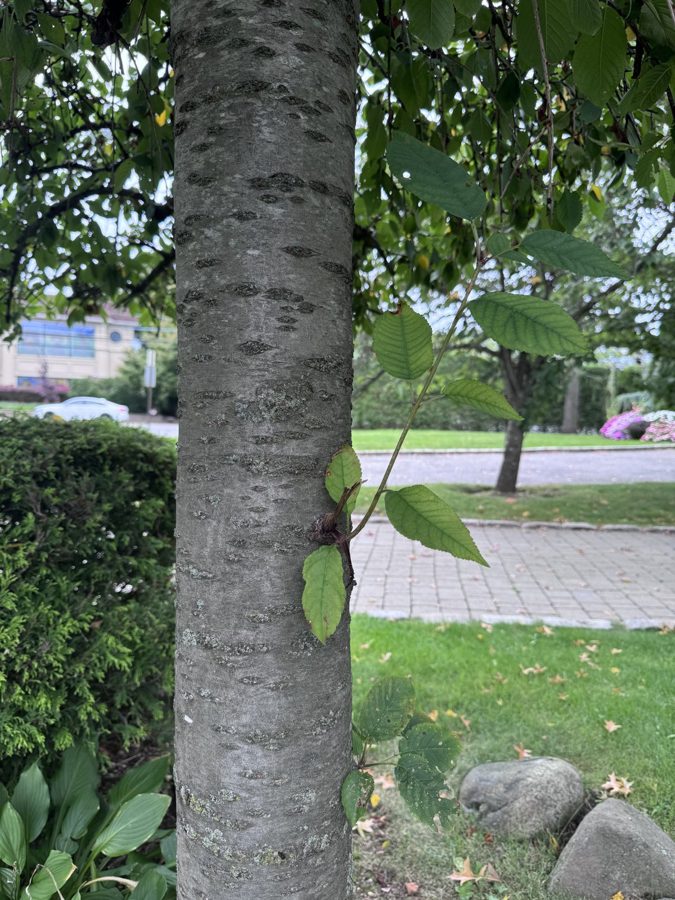
חֲלִיפִין chalifin חפץ · צמח טיוטה

חליפין — נצרים חדשים שהאילן מוציא מעץ ישן. מקום יציאתם הוא הקובע אם הם נחשבים נטיעה חדשה או אותו האילן עצמו.

חליפין הם הנצרים שהאילן מוציא מן העץ הישן ולא מקצות הענפים הצומחים — מה שהגנן קורא ״נצר מים״ כשהוא פורץ ישר מן הגזע, או ״חוטר״ כשהוא עולה מן הבסיס או מן השורשים. האילן עושה כן כשהוא נתון בלחץ או משנגזם: הניצנים הרדומים שמתחת לקליפה מתעוררים ודוחקים החוצה. משנה שביעית א׳:ח׳ עושה את התופעה הזאת שאלה הלכתית. אילן שנגמם והוציא חליפין נמדד לפי המקום שממנו יצאה הצמיחה החדשה: מטפח ולמטה — כנטיעה; מטפח ולמעלה — כאילן, דברי רבי שמעון. ואותה שאלה עצמה, אם צמיחה חדשה היא אילן חדש, חוזרת בערלה, שגם שם תלוי הדבר אם מתחיל מניין חדש.

נזכר במשניות: שביעית א׳:ח׳ · ערלה

באנגלית · in English

Replacement growth — fresh shoots a tree pushes out of old wood. Where they emerge decides whether halacha counts them a new sapling or the same tree.

Chalifin are the shoots a tree sends out from old wood rather than from its growing tips — what a gardener calls a water sprout when it breaks straight out of the trunk, or a sucker when it comes from the base or roots. A tree does this when it is stressed or cut back: the dormant buds under the bark wake and push. Sheviis 1:8 makes the phenomenon a legal question. A tree that was cut down (nigmam) and put out chalifin is measured by WHERE the new growth emerges: from a tefach above the ground and below it counts as a netiah, a sapling; from a tefach and above it is still the old tree — the words of Rabbi Shimon. The same question of "is this new growth a new tree" runs into orlah, where whether a fresh count begins turns on the same distinction.

Comes up in: Sheviis 1:8 — ilan shenigmam that put out chalifin: a tefach and below is a netiah, above is a tree · Orlah — whether replacement growth from old wood starts a fresh orlah count (future corpus contact)

מילונים · Trace it: Jastrow s.v. חֲלִיפִין — "exchange, substitute"; and in the botanical sense, the shoots that replace what was cut. Jastrow s.v. גָּמַם — "to cut off, lop"; ilan shenigmam, a lopped tree. Klein s.v. חליף. The gardener's terms: water sprout (epicormic shoot, from the trunk) and sucker (from the base or roots) — the Mishnah's tefach line runs roughly between them.

זיהוי · Identification: Epicormic growth: dormant buds beneath the bark, released when the crown is damaged or removed. Feliks (Agriculture / fruit-tree studies) treats coppicing and regrowth in the ancient orchard, where a cut-back tree renewing itself from the stump was normal husbandry rather than an accident. The halachic hinge — height of emergence above ground — matches the botanical distinction between a shoot from the trunk and one from the root collar. (Cite-check at apply time.)

חֲרִישָׁה
רישיון: טעון בירור (PD-old expected) · per file page

חֲרִישָׁה charishah מלאכה · field-work טיוטה

חרישה — הפיכת הקרקע במחרשת עץ הנמשכת בשוורים, כדי שאוויר ומים יגיעו לשורשים ותהיה הקרקע ראויה לזריעה.

חרישה היא שבירת הקרקע והפיכתה במחרשה הנמשכת בבהמה, כדי שתוכל האדמה לשתות את הגשם, לנשום ולקבל זרע. תועלתה נופלת על השנה הבאה ולא על זו שבה נעשתה — ומשום כך פוגשת אותה ההלכה בכל מקום שגבול השנים נוגע בו.

נזכר במשניות: שביעית א׳:א׳–א׳:ח׳ · שביעית ב׳:א׳ · שביעית י׳:א׳

באנגלית · in English

Plowing — turning the soil with an ox-drawn wooden plow so air and water reach the roots, readying the ground to take seed.

Charishah is breaking and turning the soil with an animal-drawn plow, so the ground can drink rain, breathe, and take seed. Its benefit lands on the year to come, not the present one — which is why halacha meets it wherever the boundary between years matters.

Comes up in: Sheviis 1:1–1:8 — until when may one plow an orchard erev Sheviis · Sheviis 2:1 — until when in a grain field (ad shetichleh haleichah) · Sheviis 10:1 (transcript) — hiring a plowman on Shemittah as the live example

מילונים · Trace it: Jastrow s.v. חָרַשׁ / חֲרִישָׁה — to plow; plowing, plowing season. Klein s.v. חרש.

זיהוי · Identification: Yehuda Feliks (Agriculture in Eretz-Israel in the Period of the Mishnah and Talmud) is the standard treatment of the Mishnah's plowing regime — the wooden ard (scratch-plow) with an iron share, drawn by oxen, cutting shallow furrows; multiple passes per season; the plowman's cycle behind Sheviis chapters 1–2. (Exact page cites at apply time.)

גֶּפֶן
תמונה שלנו — אינה טעונה אישור · Ephraim Diamond

גֶּפֶן gefen חפץ · צמח טיוטה

הגפן — מודלית על הקרקע או על עריסים, ובוצרים אותה אל גתות חצובות בסלע; ענבים, צימוקים ויין הם שלושת חייה.

הגפן היא הגפן המתורבתת, ועם הזית והתאנה אחד משלושת גידולי הבוסתן המרכזיים במשנה. פריה עובר אותו מסלול תלת-שלבי כתאנה — ענבים לחים, צימוקים, ויין הנעצר בגת — ועבודתה (זמירה, הדליה, שורות הכרם) מולידה מסכתות שלמות של הלכה, מכלאים ועד שביעית.

נזכר במשניות: שביעית ב׳:ב׳ · שביעית 4:10, 7:x · תרומות א׳:ח׳–א׳:ט׳ · כלאים passim

באנגלית · in English

The grapevine — trained low on the ground or up on trellises, harvested into rock-cut winepresses; grapes, raisins, and wine are its three lives.

The gefen is the cultivated grapevine, with the olive and fig one of the Mishnah's big three orchard crops. Its fruit moves through the same three-stage economy as the fig — fresh anavim, dried tzimukim, and pressed-out wine — and its cultivation (pruning, trellising, the vineyard's rows) generates whole tracts of halacha from Kilayim to Sheviis.

Comes up in: Sheviis 2:2 (census — vine work among the erev-Sheviis labors) · Sheviis 4:10, 7:x (census: 7 built mishnayos touch the vine/grapes) · Terumos 1:8–1:9 — grapes destined for wine vs. eating in terumah law · Kilayim passim — the vineyard as halachic geometry (future corpus contact)

מילונים · Trace it: Jastrow s.v. גֶּפֶן — vine; Klein s.v. גפן. Zemorah (the pruned shoot) and betzirah (the grape harvest) are its working vocabulary.

זיהוי · Identification: Vitis vinifera — undisputed. Feliks (Agriculture, and his vineyard studies) details the two training regimes the Mishnah assumes — sprawling ground-vines and raised trellis vines (adalos vs. rogliyos in later usage), autumn betzirah, treading in rock-cut gitos. Amar documents the ancient grape varieties recovered from Negev seeds. Safrai: wine as the country's premier export commodity. (Cite-check at apply time.)

תמונה בהמתנה — עדיין לא נבחר מועמד

הַפְרָשַׁת תְּרוּמָה hafrashas-terumah מלאכה · mitzvah-act טיוטה

הפרשת תרומה — הרמת חלקו של הכהן מן היבול באומד ולא במידה, קודם שיהא מותר לאכול דבר.

קודם שיהיו הפירות מותרים באכילה, בעליהם תורם: מייחד חלק לתרומה לכהן, והשאר נעשה חולין המותרים. התורה לא קבעה שיעור; חכמים קבעו עין יפה אחד מארבעים, בינונית אחד מחמישים, ורעה אחד משישים — והצריכו שתיעשה באומד (מחסת), ולא בכלי מדידה.

נזכר במשניות: תרומות א׳:א׳–א׳:ה׳ · תרומות א׳:ז׳ · תרומות ב׳:א׳–ב׳:ג׳ · תרומות ד׳:ג׳

באנגלית · in English

Separating terumah — lifting the kohen's portion out of the harvest by estimate, not measure, before anything may be eaten.

Before harvested produce may be eaten, its owner is torem: he designates a portion as terumah for the kohen, and the rest becomes permitted chullin. The Torah gives no fixed amount; Chazal set a generous eye at one-fortieth, a middling one-fiftieth, a grudging one-sixtieth — and required it be done by estimate (michsas), not by measuring vessels.

Comes up in: Terumos 1:1–1:5 — who can be torem and when it fails · Terumos 1:7 — only by estimate: no measure, no weight, no count; not in a measuring sal or kupah · Terumos 2:1–2:3 — tahor for tamei; beshogeg and bemezid · Terumos 4:3 — the eye-measures: 1/40, 1/50, 1/60

מילונים · Trace it: Jastrow s.v. תָּרַם — "to lift, take off, set aside as priest's share"; הַפְרָשָׁה, "setting apart." The denominative torem/tormin is the Mishnah's working verb (Terumos 1:1 and throughout).

זיהוי · Identification: Safrai (rural economy) situates terumah in the real distribution economy — threshing-floor gifts moving from farmer to local kohanim, in quantities that made the one-fiftieth default a meaningful transfer. The Mishnah's ban on measured separation (Terumos 1:7) is practice, not arithmetic: the act had to look like a gift given with a generous hand, not a tax paid to the ounce. (Cite-check at apply time.)

קוּפָּה
רישיון: טעון בירור · per file page

קוּפָּה kupah חפץ · vessel טיוטה

סל או גיגית גדולה — הכלי הגדול של המשנה לתבואה ולקמח בכמויות; ומכאן גם קופת הצדקה של הציבור.

סל או גיגית גדולה, מן הכלים הגדולים הרגילים בבית ובשוק של תקופת המשנה — גדולה כדי לאצור בה תבואה או קמח בכמויות, ושונה מסלי נשיאה קטנים. ומכאן מכנים בשם זה כל דבר המשמש ככלי קיבול — ובראשם קופת הצדקה של הציבור, ושלוש הקופות של כספי לשכת המקדש.

נזכר במשניות: תרומות א׳:ז׳ · שקלים ג׳:א׳–ג׳:ב׳ · פאה ח׳:ז׳ · כלים frequently

באנגלית · in English

A large basket or tub — the Mishnah's big container for bulk produce and flour; by extension the communal charity fund.

A large basket or tub, one of the standard big containers of the Mishnah's household and market world — big enough to store produce or flour in bulk, distinct from smaller carrying baskets. By extension it names anything that functions as such a container — most famously the communal charity fund ("kupah") and the three chests of Temple-treasury silver.

Comes up in: Terumos 1:7 — ein tormin besal uvkupah shehem shel midah (LIVE corpus contact: built card + shiur) · Shekalim 3:1–3:2 — the three kupos of the terumas halishka (Shekalim 1:1, 7:4 live in Road to Pesach) · Peah 8:7 — the kupah as weekly charity distribution · Keilim frequently — susceptibility of baskets to tumah

מילונים · Trace it: Jastrow s.v. קוּפָּה (basket, tub); cf. the Tosefta Keilim reading קוּפּוֹת cited at Jastrow s.v. קוסת.

זיהוי · Identification: Woven willow and palm-fiber basketry of exactly this world survives from the Bar Kokhba period (Cave of Letters, Nachal Chever); for the artifact typology, Yadin's find reports; for the container economy, Krauss, Talmudische Archäologie. (Feliks/Amar not applicable — vessel, not flora; Safrai on household storage, cite-check.)

לוּף
רישיון: טעון בירור (search-reported CC BY 2.0) · per file page

לוּף luf חפץ · צמח טיוטה

ירק בעל פקעת ועלים כחיצים — השורש הפקעתי נשאר באדמה משנה לשנה, והעלים עולים מחדש בכל אביב.

הלוף הוא צמח פקעת רב-שנתי: שורש פקעתי החי באדמה משנה לשנה, ועליו עולים מחדש בכל אביב. אותם חיים תת-קרקעיים הנמשכים על פני שנים הם הטעם שההלכה פוגשת אותו שוב ושוב כשאלה של גבול השנים — הפקעת שאתה עוקר חיה ביותר משנה אחת.

נזכר במשניות: שביעית ה׳:ב׳–ה׳:ה׳ · שביעית ז׳:א׳–ז׳:ב׳ · שביעית ד׳:ב׳

באנגלית · in English

A bulb vegetable with arrow-shaped leaves — the tuberous root sits in the ground across years while leaves shoot up each spring.

The luf is a perennial bulb plant: a tuberous root that lives in the ground across years while leaves shoot up each spring. That multi-year underground life is why halacha keeps meeting it as a year-boundary puzzle — the bulb you pull was alive in more than one year.

Comes up in: Sheviis 5:2–5:5 — the luf's perek: burying, harvesting, and the year-boundary problems · Sheviis 7:1–7:2 — alei haluf hashoteh among the kedushas-sheviis edge cases · Sheviis 4:2 (census) — earlier contact in the built corpus

מילונים · Trace it: Klein s.v. לוּף — "PBH arum," related to Aramaic-Syriac lufa and Arabic luf. Jastrow s.v. לוּף.

זיהוי · Identification: Recorded both-sided, not ruled. The shiur (tier one) identifies the luf of Sheviis 5 as Arum palaestinum — the traditional identification, followed by Feliks. Zohar Amar and others argue the cultivated, edible luf of Chazal is rather taro (Colocasia esculenta), with wild Arum as the luf shoteh; the shiur itself, at Sheviis 7:1, floats "elephant ear or... the taro plant" for luf shoteh. The dispute is genuinely open in the literature and the entry keeps both, sourced. (Cite-check Amar's exact position at apply time.)

נְטִיעָה
תמונה שלנו — אינה טעונה אישור · Ephraim Diamond

נְטִיעָה netiah חפץ · צמח טיוטה

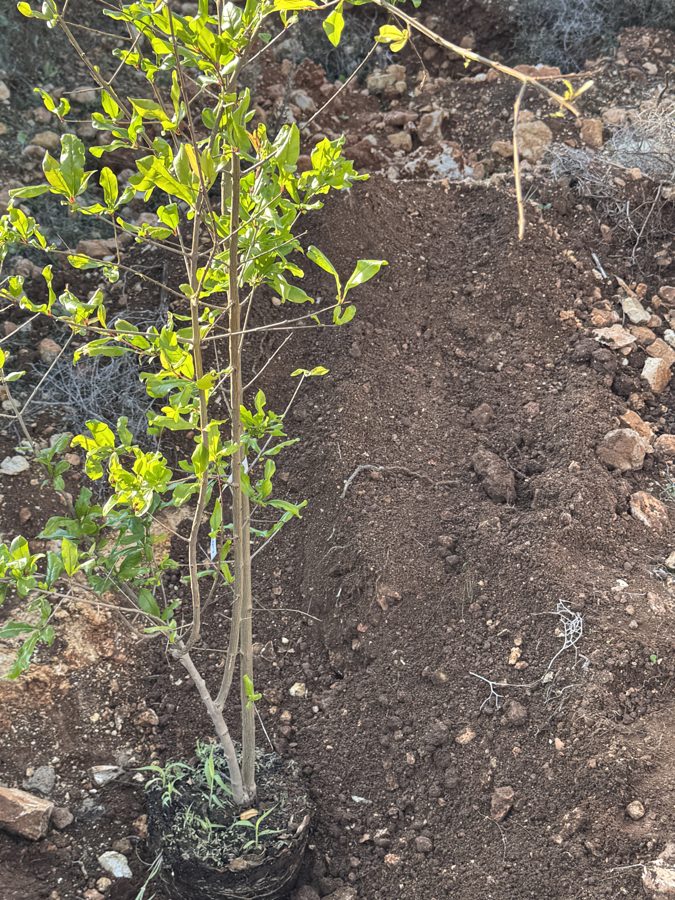
נטיעה — אילן צעיר בשנותיו הראשונות, שעדיין זקוק להשקיה ביד, לעטיפה ולתיחוח עד שיעמוד בכוחות עצמו.

נטיעה היא אילן צעיר, שניטע מקרוב ועדיין מתבסס — לעומת זקנה, אילן בוגר. נטיעה עלולה למות מאותה הזנחה שאילן בוגר אינו חש בה כלל, ולפיכך שנותיה הראשונות תובעות השקיה בנשיאה ביד, עטיפה מפני הקור והשמש, ותיחוח הקרקע — וכנגד זה מקילה בה ההלכה.

נזכר במשניות: שביעית א׳:ו׳ · שביעית א׳:ז׳–א׳:ח׳ · שביעית ב׳:ד׳

באנגלית · in English

A sapling — a young tree in its first years, still needing carried water, wrapping, and loosened soil before it can fend for itself.

A netiah is a young tree, newly planted and still establishing itself — as against a zekeinah, a mature tree. A sapling can die from the neglect a grown tree merely shrugs off, so its first years demand carried water, wrapping against cold and sun, and loosened soil — and halacha, correspondingly, meets it with softer rules.

Comes up in: Sheviis 1:6 — eser netios mefuzaros besoch beis seah · Sheviis 1:7–1:8 — netios with gourds; until when is it called a netiah · Sheviis 2:4 — wrapping and tending saplings erev Sheviis

מילונים · Trace it: Jastrow s.v. נְטִיעָה — "planting; plant; esp. young tree, shoot"; Sheviis 1:8 "netiah kishmah" (a 'plant' is what its name implies — a young one); opp. zekeinos, old plantings (Tosefta Sheviis 1:2). Klein s.v. נטיעה — "1) planting, 2) young tree, shoot."

זיהוי · Identification: Feliks (Agriculture) treats orchard establishment — nursery-raised shoots, transplanting, wrapping young trunks against cold and sun (the korchin of Sheviis 2:4), watering through the first summers. The Mishnah's own definitional dispute (until what age is it a netiah — three years, seven, or until profanable, Sheviis 1:8) shows the term was a working farmers' category, not a fixed botanical one.

שְׂדֵה הָאִילָן
תמונה שלנו — אינה טעונה אישור · Ephraim Diamond

שְׂדֵה הָאִילָן sdeh-ilan חפץ · field-type טיוטה

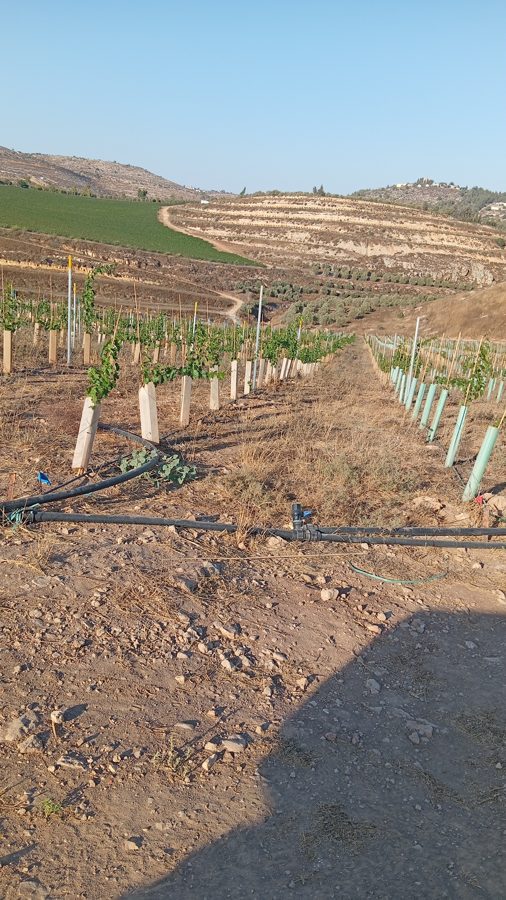
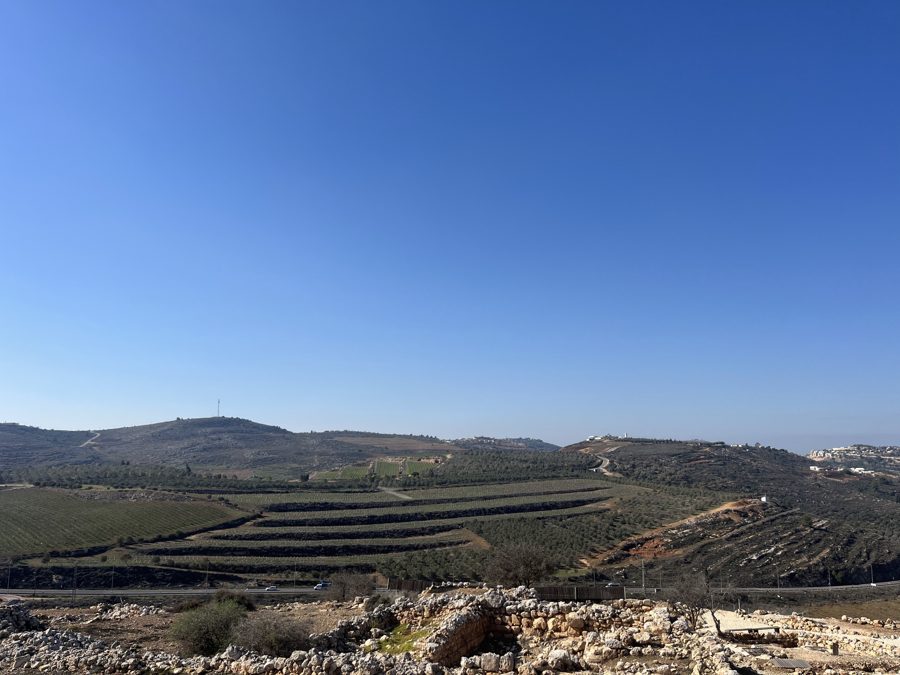
שדה האילן — קרקע שגידולה עצים: זיתים, תאנים וגפנים במדרונות מדורגים, וחורשים בין הגזעים לשמור על לחות החורף.

שדה האילן הוא קרקע שגידולה עצים — זיתים, תאנים, גפנים ושכנותיהם — שכנגד שדה הלבן של התבואה. וזו קטגוריה שיש לה שיעור מוחשי: שלושה אילנות בתוך בית סאה, העושים כשישים מנה איטלקי של פרי, עושים את כל החלקה בוסתן, ועובדים אותה כיחידה אחת לצורך האילנות.

נזכר במשניות: שביעית א׳:א׳–א׳:ה׳ · שביעית א׳:ב׳ · שביעית ב׳:א׳

באנגלית · in English

The orchard — land whose crop is trees: olives, figs, vines on terraced hills, plowed between trunks to hold the winter's moisture.

A sdeh ilan is land whose crop is trees — olives, figs, vines and their neighbors — the counterpart of the sdeh lavan grain field. It is a category with a physical threshold: three trees within a beis seah, yielding on the order of sixty Italian manos of fruit, make the whole plot an orchard, worked as one unit for the trees' sake.

Comes up in: Sheviis 1:1–1:5 — plowing an orchard erev Sheviis; the three-tree threshold · Sheviis 1:2 (transcript) — the gatherer-and-his-basket radius around each tree · Sheviis 2:1 — the pair stated: sdeh lavan vs. sdeh ha'ilan, Pesach vs. Atzeres

מילונים · Trace it: Jastrow s.v. אִילָן — tree; sdeh ha'ilan, orchard, opp. sdeh halavan (Sheviis 1:2, 2:1).

זיהוי · Identification: Feliks (Agriculture) reads Sheviis 1's thresholds against real orchard practice — wide spacing for mature olives and figs, interplowing between trees to conserve moisture, the fig-gatherer working with his basket at the tree (Sheviis 1:2's melo ha'oreh vesalo). Safrai places orchard crops at the center of the hill-country economy, where terrain favored trees over grain. (Cite-check at apply time.)

שְׂדֵה הַלָּבָן
רישיון: טעון בירור (search-reported CC BY-SA 3.0) · per file page

שְׂדֵה הַלָּבָן sdeh-lavan חפץ · field-type טיוטה

״שדה לבן״ — שדה תבואה וירקות פתוח, בלי צל אילנות, המלבין בשמש; חורשים אותו אחר הגשמים הראשונים וקוצרים באביב.

שדה הלבן הוא שדה תבואה או ירקות — קרקע פתוחה לשמש, בלי חופת אילנות; והשם נדרש בדרך כלל על אותה פתיחות, ״לבן״ מאור השמש לעומת הבוסתן המוצל. שכנגדו שדה האילן, ושנתו נמשכת אחר גשמי החורף: נחרש משהם מרככים את הקרקע, ונקצר באביב.

נזכר במשניות: שביעית ב׳:א׳ · שביעית ב׳:ט׳–ב׳:י׳ · מועד קטן א׳:ד׳

באנגלית · in English

The "white field" — open grain and vegetable land, no tree canopy, lying white in the sun; plowed after the first rains, reaped in spring.

A sdeh lavan is a field of grain or vegetables — ground that lies open to the sun, with no canopy of trees; the name is usually taken from that openness, "white" with sunlight against the shaded orchard. Its counterpart is the sdeh ilan, and its year runs on the winter rains: plowed when they soften the ground, reaped in spring.

Comes up in: Sheviis 2:1 — ad eimasai chorshin bisdeh halavan erev Sheviis · Sheviis 2:9–2:10 — the grain field met again through watering rules · Moed Katan 1:4 — the pair recurs beyond Zeraim (future corpus contact)

מילונים · Trace it: Jastrow s.v. לָבָן — sdeh halavan, "a field of grain or vegetables," opp. sdeh ha'ilan (Sheviis 2:1; Moed Katan 1:4). See also Bartenura ad loc. on the name.

זיהוי · Identification: Feliks (Agriculture) maps the pair onto the country's real crop economy: dry-farmed cereal land — the majority of cultivated ground — worked on the winter-rain cycle, versus orchard land on the perennial cycle. A sdeh lavan could itself be rain-fed (sdeh baal) or irrigated (beis hashelachin); the two classifications cut across each other, as Ephraim's shiur on 2:1 lays out. (Page cites at apply time.)

סְאָה
תמונה שלנו — אינה טעונה אישור · Ephraim Diamond

סְאָה seah חפץ · מידה טיוטה

מידת היובש המרכזית — דלי של תבואה, שישה קבין; כלי בגורן ובשוק. ובית סאה הוא הקרקע שסאה זורעת.

הסאה היא מידת היובש הבינונית והמרכזית בכלכלת המשנה: שישה קבין, עשרים וארבעה לוגין, ונמדדת בכלי מיוחד בגורן, באוצר ובשוק. וכשיעור קרקע, בית סאה הוא השטח שסאה אחת של זרע זורעת — חמישים על חמישים אמה.

נזכר במשניות: תרומות 4:7–4:12, 5:1–5:9 · שביעית א׳:ו׳ · שביעית ג׳:ב׳ · שביעית ה׳:ח׳

באנגלית · in English

The workhorse dry measure — a bucketful of grain: six kabin, a vessel at granary and market; a beis seah is the ground it sows.

The seah is the standard mid-size dry measure of the Mishnah's economy: 6 kabin = 24 log, measured with a dedicated vessel at harvest, storage, and sale. As land, a beis seah is the area sown by one seah of seed — 50 by 50 amos.

Comes up in: Terumos 4:7–4:12, 5:1–5:9 — the seah-into-a-hundred cycle (heavy corpus contact: 12 built mishnayos, 19 textual hits) · Sheviis 1:6 — beis seah as area (eser netios besoch beis seah) · Sheviis 3:2 (transcript) — the lesech = 15 seah, in mashpeilah baskets · Sheviis 5:8 (transcript) — lending a seah-measure to one suspected on Sheviis

מילונים · Trace it: Jastrow s.v. סְאָה; Yerushalmi Terumos 10:47b top — "how much does a seah contain? Twenty-four log." BDB s.v. סאה (Biblical seah = one-third eiphah).

זיהוי · Identification: Its absolute size is a live dispute, recorded, not ruled: academic metrology puts the seah around 7–13 liters (BDB cites ~12.1 L; Second Temple stone measuring-vessels from Jerusalem anchor the low-to-mid range), while the halachic shiurim divide famously — R. Chaim Naeh ~8.3 L against the Chazon Ish ~14.3 L. The registry states the relations (6 kav, 24 log); absolute liters stay a both-sided note.

תמונה בהמתנה — עדיין לא נבחר מועמד

סֶלַע sela חפץ · מטבע טיוטה

המטבע הכסף הגדול של המשנה: ארבעה דינרים, שני שקלי תורה — היחידה שבה נוקבים סכומים גדולים.

מטבע הכסף הגדול והתקני של המשנה, וכן משקל: סלע אחד שווה ארבעה דינרים (ושני שקלים לפי חשבון מחצית השקל שבתורה). זו היחידה שבה נוקבים סכומים גדולים — כתובות, נזקים ופדיונות — כדרך שנוקבים היום סכומים גדולים במאות.

נזכר במשניות: מעשר שני ב׳:ח׳–ב׳:ט׳ · כתובות א׳:ב׳ · שקלים ב׳:ד׳

באנגלית · in English

The Mishnah's standard large silver coin: four dinarim, two Torah shekalim — the unit big sums are quoted in.

The Mishnah's standard large silver coin and weight: one sela = four dinarim (= two shekalim of the Torah's half-shekel reckoning). It is the unit big sums are quoted in — kesubos, damages, redemptions — the way large amounts today are quoted in hundreds.

Comes up in: Maaser Sheini 2:8–2:9 — exchanging sela'im of maaser sheini money (1:5–1:6 are live cards) · Kesubos 1:2 — the kesubah in sela-denominated sums · Shekalim 2:4

מילונים · Trace it: Klein s.v. סֶלַע II ("name of a weight and coin," a sense-extension of sela = rock); BDB notes Aramaic סִלְעָא as specifically "weight for coin" and Nabataean סלע as a coin.

זיהוי · Identification: In the late Second Temple period the coin that actually circulated as the sela was the Tyrian tetradrachm ("shekel of Tyre") — minted 126 BCE to 56 CE, ~14 g, exceptionally pure silver (94–97% by metallurgical analysis), which is why the Temple treasury demanded payment in it (kesef tzuri). Bar Kokhba's silver tetradrachms are likewise called sela'im by numismatists. Standard references: D. Hendin, Guide to Biblical Coins; Y. Meshorer, Ancient Jewish Coinage.

שֶׁקֶל
רישיון: טעון בירור (PD-old expected) · per file page

שֶׁקֶל shekel חפץ · מטבע טיוטה

בלשון חז״ל, חצי סלע — שני דינרים. ומחצית השקל שבתורה היא אפוא חצי סלע לאדם, בכסף צורי.

בלשון המשנה עצמה, השקל הוא חצי סלע — שני דינרים. ומחצית השקל שבתורה היא אפוא, בלשון המטבעות של חז״ל, חצי סלע לאדם בכל שנה לצורך בית המקדש — ומשום כך היו שניים משלמים יחד בסלע שלם וחולקים ביניהם את התוספת הקטנה (הקלבון).

נזכר במשניות: שקלים 1:1 ff. · שקלים א׳:ו׳–א׳:ז׳ · בכורות ח׳:ז׳

באנגלית · in English

In Chazal's coin-language, half a sela — two dinarim. The Torah's machatzis hashekel is thus half a sela per person, paid in Tyrian silver.

In the Mishnah's own usage, the shekel is half a sela — two dinarim. The Torah's "machatzis hashekel" obligation is therefore, in Chazal's coin-language, half a sela per person per year for the Beis HaMikdash — which is why two people would often pay together with one full sela and split the small surcharge (the kalbon).

Comes up in: Shekalim 1:1 ff. — the annual half-shekel call on 1 Adar (Shekalim 1:1 is a LIVE card, the Road to Pesach opener) · Shekalim 1:6–1:7 — the kalbon · Bechoros 8:7 — five sela'im of pidyon haben in kesef tzuri

מילונים · Trace it: Klein s.v. שקל (Biblical shekel as weight → coin); the sela/shekel equivalence is the Mishnah's operating assumption throughout Shekalim.

זיהוי · Identification: The coin the half-shekel was actually paid with was Tyrian silver (see the sela entry) — the Temple insisted on its purity standard. After 66 CE the First-Revolt "Shekel Israel" coins took up the type. Numismatic anchors: Hendin, Guide to Biblical Coins; Meshorer, Ancient Jewish Coinage.

תְּאֵנָה
רישיון: טעון בירור · per file page

תְּאֵנָה teenah חפץ · צמח טיוטה

התאנה — נאכלת לחה, מיובשת לגרוגרות, ונדרסת לעיגולי דבילה; פרי קיץ אחד ושלושה אורכי חיים.

התאנה היא עץ התאנה ופריו. תאנים לחות מתקלקלות בתוך ימים, ולפיכך רוב היבול היה עובר עיבוד — מיובש בודדות כגרוגרות, או נדרס לעיגולים כדבילה. פרי אחד, שלושה אורכי חיים, וההלכה רואה בשלושתם מין אחד.

נזכר במשניות: שביעית א׳:ב׳–א׳:ד׳ · תרומות ב׳:ד׳ · תרומות 1:9, 2:1 · שביעית א׳:ו׳

באנגלית · in English

The fig — eaten fresh, dried into gerogros, pressed into round dveilah cakes; one summer fruit, three shelf-lives.

The teenah is the fig tree and its fruit. Fresh figs spoil in days, so most of the crop was processed — dried singly as gerogros, or pressed into round cakes as dveilah. One fruit, three shelf-lives, and halacha treats all three as a single species.

Comes up in: Sheviis 1:2–1:4 — orchard status measured in figs · Terumos 2:4 — kol min teenim ugrogros udveilah echad: one species across its three forms · Terumos 1:9, 2:1 (census) — gerogros in the terumah cases · Sheviis 1:6 (transcript) — mature trees as 'trees that produce a lot of figs'

מילונים · Trace it: Jastrow s.v. תְּאֵנָה — fig, fig tree; s.v. גְּרוֹגֶרֶת — "the dry fig" (Klein: "dried fig," prob. related to Arabic jarjar); Jastrow s.v. דְּבֵלָה — cake of pressed figs.

זיהוי · Identification: Ficus carica — undisputed. Feliks describes the drying economy: figs spread on drying floors (muktzeh), turned, then either stored loose (gerogros) or pounded and pressed into wheel-like cakes (dveilah) that traveled and kept for years. The kegrogeres — a dried fig's bulk — is the Shabbos measure for carrying food, a fossil of how standard this commodity was.

זַיִת
רישיון: טעון בירור (search-reported CC BY-SA 2.5) · per file page

זַיִת zayis חפץ · צמח טיוטה

הזית — עץ השמן של ההר, נושא פרי לדורות; מוסקים אותו בסתיו בחבטה ובלקיטה, ועוצרים אותו במתקני אבן.

הזית הוא עץ הזית ופריו — עמוד השדרה של כלכלת ההר בעולם העתיק, הגדל לשמן הנעצר בבית הבד. הזית נושא פרי לדורות, ונפח פריו, הכזית, נעשה יחידת המזון היום-יומית של ההלכה.

נזכר במשניות: שביעית א׳:ב׳ · שביעית ד׳:ט׳ · תרומות א׳:ח׳–א׳:ט׳

באנגלית · in English

The olive — the hill country's oil tree, bearing for generations; harvested in autumn by beating and hand-picking, pressed in stone installations.

The zayis is the olive tree and its fruit — the backbone of the ancient hill-country economy, grown for oil pressed at the beis habad. An olive bears for generations, and its fruit's bulk, the kezayis, became halacha's everyday unit of food volume.

Comes up in: Sheviis 1:2 (transcript) — plowing radius around the tree at fig/olive gathering · Sheviis 4:9 (census: olive hits across 8 mishnayos in the built corpus) — olives before rov · Terumos 1:8–1:9 — oil and olives: terumah taken from pressed and unpressed

מילונים · Trace it: Jastrow s.v. זַיִת — olive, olive tree; kezayis, "the size of an olive," passim. Klein s.v. זית.

זיהוי · Identification: Olea europaea — undisputed. Feliks details Mishnaic-era cultivation: wide spacing (the four-amos working radius of Sheviis 1:2's gatherer), autumn harvest by beating and hand-picking, pressing in stone installations. Amar treats the varieties and the kezayis question (ancient vs. modern olive sizes) — recorded as scholarship, the halachic shiur being Ephraim's domain. Safrai: oil as the hill economy's cash crop.

תמונה בהמתנה — עדיין לא נבחר מועמד

זִבּוּל zibbul מלאכה · field-work טיוטה

זיבול — פיזור זבל בהמות רקוב, המובל מן הדירים ומן החצרות בסלים ונחרש אל תוך הקרקע: הדשן היחיד של העולם העתיק.

זיבול הוא דישון השדה בזבל בהמות — הדשן היחיד שהיה בעולם העתיק, הנאסף מן הדירים ומן החצרות, נאגר באשפתות, ומובל בסלים בשיעורים מדודים כדי לפזרו ולחרשו אל תוך הקרקע.

נזכר במשניות: שביעית ב׳:ב׳ · שביעית ג׳:א׳–ג׳:ג׳

באנגלית · in English

Manuring — spreading rotted animal dung, carted from pens and courtyards in basket-loads and plowed in: the ancient world's only fertilizer.

Zibbul is fertilizing a field with zevel, animal manure — the ancient world's only fertilizer, collected from pens and courtyards, stored in dung-heaps (ashpos), and carted out in measured basket-loads to be spread and plowed in.

Comes up in: Sheviis 2:2 — mezavlin among the erev-Sheviis orchard labors · Sheviis 3:1–3:3 — how much zevel, how many heaps, when removal is permitted

מילונים · Trace it: Klein s.v. זבל II — "to manure, to fertilize"; זֶבֶל (PBH) "dung, manure"; זִבּוּל "manuring." Jastrow s.v. זֶבֶל.

זיהוי · Identification: Feliks (Agriculture) details the manuring economy: dung collected with straw bedding, stored in ashpos (dung-heaps), carried out by donkey and mashpeilah-basket, spread before plowing-in; flock-penning (dir) as ambulatory manuring — the exact practices Sheviis 3 regulates by number and measure. (Page cites at apply time.)